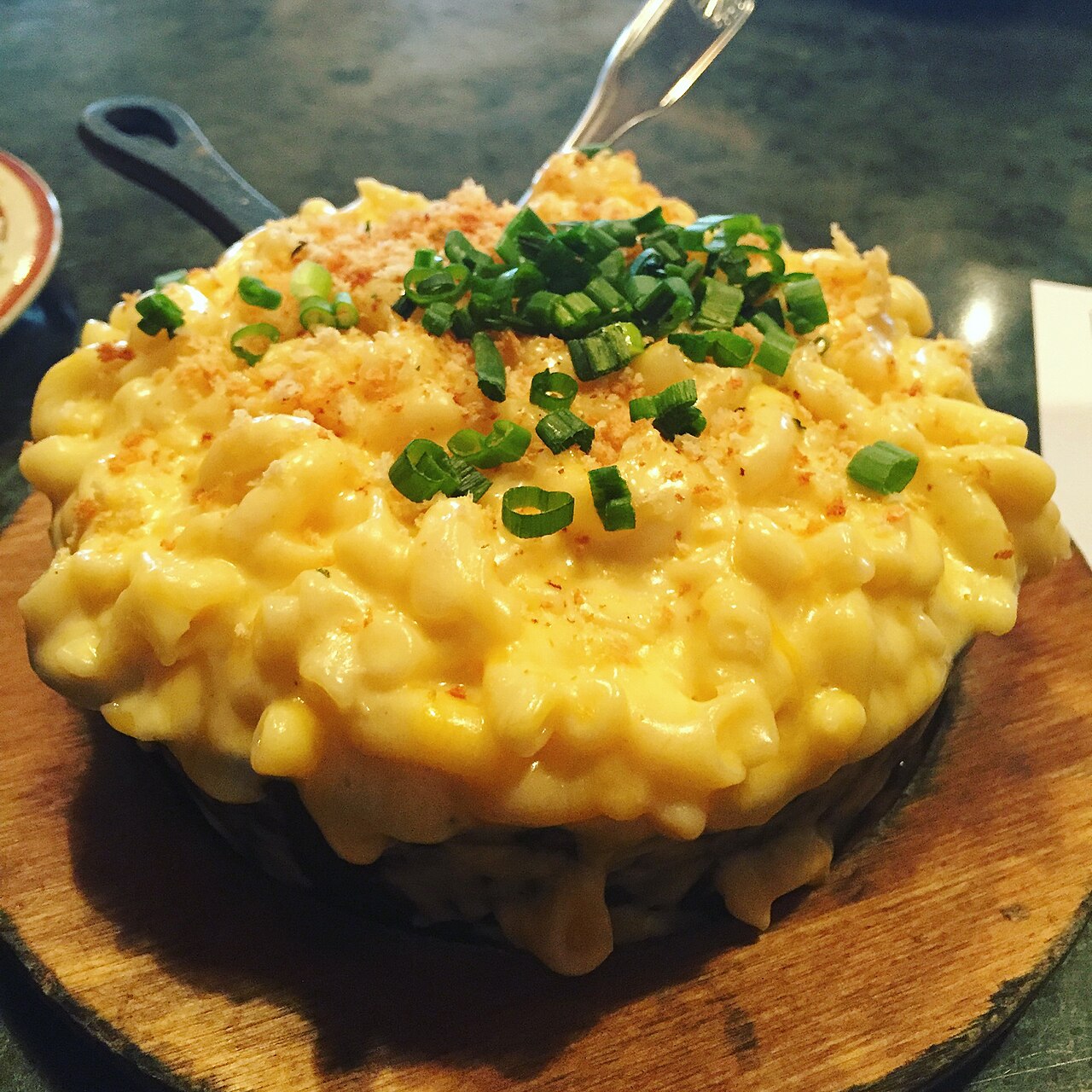
Creamy Baked Mac and Cheese: Stop Grainy Sauce & Mushy Pasta
Few dishes evoke such profound comfort and nostalgia as a perfectly executed baked macaroni and cheese. It's more than just a meal; it's a warm hug on a plate, a culinary journey back to simpler times. For many, it's the ultimate comfort food, a dish so beloved it practically shaped childhoods. But the path to the best ever macaroni and cheese can be fraught with peril: grainy sauces that break, or worse, mushy pasta that turns a delightful experience into a disappointing one. Fear not, fellow food lovers! We're here to guide you, step-by-step, to a dreamy, creamy, perfectly textured baked mac and cheese that will leave everyone begging for your secret.
Forget the days of watery, bland, or clumpy mac and cheese. We're about to unlock the culinary magic that transforms simple ingredients into an extraordinary dish, ensuring a rich, smooth cheese sauce and pasta that retains its delightful chew, even after baking. This isn't just a recipe; it's a masterclass in achieving mac and cheese perfection.
The Foundation of Flavor: Achieving Unrivaled Creaminess
The heart of any great mac and cheese lies in its sauce. A truly exceptional sauce is rich, velvety, and utterly smooth, embracing every noodle with its cheesy goodness. Avoiding a grainy or thin sauce is paramount, and it starts with understanding a few fundamental principles.
The Power of Whole Milk
When it comes to your dairy choice, don't compromise. Whole milk is non-negotiable for achieving the creamy, luxurious consistency that defines the best ever macaroni and cheese. Skim or 2% milk simply lacks the fat content needed to create that desirable richness. The higher fat in whole milk emulsifies better with the cheese, contributing to a stable, thick, and wonderfully silky sauce. Using lower-fat milk will inevitably lead to a thinner, more watery result that fails to cling to the pasta or provide the mouthfeel we crave.
The Secret Weapon: A Pinch of Dry Mustard
You might be surprised to find dry mustard on the ingredient list for mac and cheese, but trust us—this humble spice is a game-changer. Dry mustard doesn't impart a strong mustard flavor; instead, it acts as an incredible flavor enhancer for cheese. It adds a subtle, tangy bite that cuts through the richness of the cheese and dairy, brightening the overall profile and preventing the dish from becoming overly heavy or one-note. Start with about one teaspoon, taste your sauce, and adjust to your preference. It’s all about balance!
Banishing Grainy Cheese Sauce Forever
A grainy cheese sauce is a common pitfall, but it's entirely avoidable with a few expert techniques:
- Freshly Grated Cheese is King: This is arguably the most crucial tip. Pre-shredded cheeses are often coated with anti-caking agents like cellulose or potato starch to prevent clumping in the bag. While convenient, these additives also hinder the cheese from melting smoothly, leading to a gritty or grainy texture in your sauce. Always grate your own cheese from the block for the smoothest, silkiest melt.
- Low and Slow is the Way to Go: High heat is the enemy of a creamy cheese sauce. Dairy proteins are delicate and can seize or separate when subjected to excessive heat, resulting in a broken, grainy texture. Always add your cheese to a sauce that is simmering gently over low heat.
- Add Cheese Gradually: Patience is a virtue here. Rather than dumping all your cheese into the sauce at once, add it in small handfuls. Stir constantly until each batch is fully melted and incorporated before adding the next. This allows the cheese to melt evenly and integrate seamlessly into the béchamel (your butter-flour-milk base), maintaining its creamy emulsion.
Perfect Pasta, No Mush Allowed
While the sauce is the soul, the pasta is the body of the best ever macaroni and cheese. Achieving the perfect texture—tender yet firm, never mushy—is critical, especially in a baked dish where the pasta will continue to cook in the oven.
Undercooking is Your Secret Weapon
The most common mistake people make is cooking their pasta fully before adding it to a baked mac and cheese. This leads to mushy, unappetizing noodles after its time in the oven. The solution? Undercook your pasta significantly. Boil your elbow macaroni (or chosen pasta shape) until it's just softening but still quite firm to the bite – well past al dente, but still with a noticeable chewiness that feels slightly underdone. A good rule of thumb is to shave off about 3-4 minutes from the package directions. It will finish cooking in the hot cheese sauce and absorb all those delicious flavors during the baking process, resulting in perfectly tender pasta with a pleasant bite.
Choosing Your Noodle Wisely
While classic elbow macaroni is a staple, don't hesitate to experiment with other shapes. Small shells, cavatappi, or even campanelle work wonderfully. The key is to choose pasta shapes with nooks, crannies, or ridges that can effectively hold onto that glorious cheese sauce, ensuring every forkful is a rich experience.
Preventing Pasta from Clumping
Once your pasta is drained, it's crucial to integrate it into the sauce promptly to prevent it from sticking together. Stir the hot, undercooked pasta directly into the hot cheese sauce. The warmth of both components helps everything coat evenly, ensuring each piece of pasta is enveloped in creamy goodness and doesn't clump into a solid mass. This also begins the absorption process, infusing the pasta with flavor even before it hits the oven.
Elevating Your Baked Mac and Cheese
Once you've mastered the sauce and pasta, it's time to bring it all together for that ultimate baked experience.
The Magic of Baking
Baking mac and cheese isn't just about reheating; it's about melding flavors, developing a beautiful golden crust, and allowing the pasta to fully absorb the sauce. As the mac and cheese bakes, the cheese sauce bubbles and thickens slightly, creating that gooey, irresistible texture. The heat also crisps up any topping you choose, adding essential textural contrast.
Crunchy Topping Transformations
A baked mac and cheese isn't complete without a glorious, crunchy topping. While classic breadcrumbs (mixed with melted butter and perhaps a touch of Parmesan) are always a winner, don't be afraid to get creative. Consider:
- Crushed Pork Rinds: For a uniquely savory and super-crispy topping that's also gluten-free.
- Crushed Potato Chips: Adds a salty, crunchy layer with a delightful potato flavor.
- Crushed Ritz Crackers: Offers a buttery, slightly sweet crunch that complements the savory cheese perfectly.
For more innovative ideas and to truly Elevate Your Mac & Cheese: Unexpected Toppings & Richness Tips, explore beyond the traditional!
Choosing the Best Cheese for Depth of Flavor
While sharp cheddar offers that quintessential mac and cheese flavor, a blend of cheeses can elevate your dish from delicious to extraordinary. Experiment with combinations:
- Sharp Cheddar: The backbone, providing tang and deep cheese flavor.
- Gruyere or Fontina: Adds nutty notes and incredible meltability.
- Monterey Jack or Muenster: Contributes to an extra-stretchy, smooth texture.
- A Touch of Smoked Gouda: For a subtle smoky depth.
- Parmesan or Pecorino Romano: Sprinkled into the sauce or topping for a salty, umami kick.
The beauty is in making it your own – choose cheeses that you love and that melt well.
Can You Make Mac and Cheese Ahead of Time? Absolutely!
One of the beauties of this recipe is its make-ahead potential. You can assemble the entire dish, including the topping, cover it tightly with foil, and refrigerate it (unbaked) for up to two days. When you're ready to bake, let it sit at room temperature for about 30-60 minutes before placing it in the oven. You may need to add an extra 10-15 minutes to the baking time to ensure it's heated through and bubbly.
Conclusion
Crafting the best ever macaroni and cheese is an art, but it's an accessible one when armed with the right knowledge. By prioritizing whole milk, employing dry mustard, using freshly grated cheese melted over low heat, and meticulously undercooking your pasta, you'll avoid the dreaded grainy sauce and mushy noodles. Embrace creative toppings and diverse cheese blends to truly elevate your dish. This isn't just a recipe; it's a promise: a promise of creamy, comforting perfection every single time. So, gather your ingredients, follow these expert tips, and prepare to create a macaroni and cheese that will be cherished and remembered for years to come.
